


 Chloe Davis
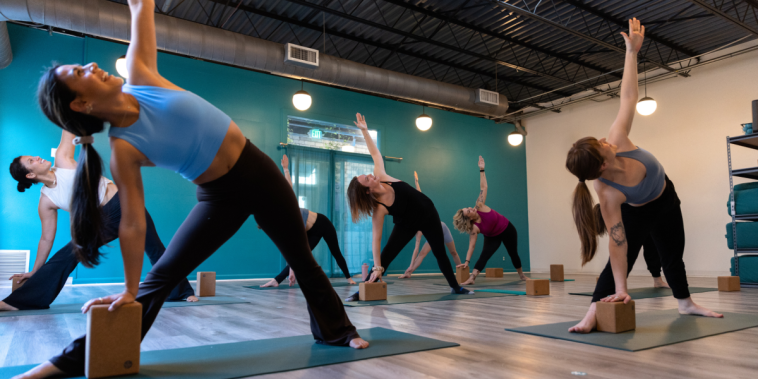
Progress in yoga does not come from intensity or chasing impressive poses. It grows quietly through steady habits, thoughtful movement, and a willingness to stay present over time. I have found that long-term progress feels less like dramatic change and more like a gradual shift in how the body moves, how the breath flows, and how the mind responds. Yoga becomes something that supports life rather than something to conquer.
Focusing on Consistency Over Intensity
Consistency forms the backbone of long-term progress in yoga. Showing up regularly, even for short sessions, builds familiarity and trust within the body. I noticed far more improvement when practice became routine rather than occasional bursts of effort. This steady rhythm allows muscles, joints, and the nervous system to adapt naturally.
Intensity can feel productive in the moment, but it often leads to burnout or injury when relied on too heavily. A consistent practice encourages patience and respect for natural limits. Over time, this approach creates a stronger and more resilient foundation. Progress unfolds steadily rather than abruptly.
Building a Sustainable Practice Schedule
A sustainable schedule fits into real life instead of competing with it. I pay attention to how often I can realistically practice without feeling pressured or overwhelmed. Some weeks allow for longer sessions, while others benefit from brief but focused routines. Flexibility within the schedule keeps practice alive during changing circumstances.
Sustainability also means allowing rest days when needed. Rest supports recovery and prevents stagnation. A schedule that honors energy levels encourages longevity. Yoga becomes something I return to willingly rather than something I force.
Prioritizing Quality of Movement
Quality matters more than quantity when it comes to long-term progress. I focus on alignment, breath, and awareness within each pose rather than rushing through sequences. This attention improves efficiency and reduces unnecessary strain. Small adjustments often create the biggest shifts.
Moving with intention helps develop deeper body awareness. This awareness supports safer exploration over time. Quality movement also strengthens the connection between mind and body. Progress becomes grounded and reliable.
Developing Body Awareness Through Repetition
Repetition builds familiarity, and familiarity builds awareness. Practicing similar sequences allows subtle sensations to become noticeable. I learned to recognize patterns of tension and ease through repeated exposure. This insight guides more informed choices on the mat.
Body awareness grows gradually through consistent repetition. Each session adds a layer of understanding. This awareness supports safer progression and deeper connection. Long-term progress relies on listening rather than forcing.
Balancing Strength and Mobility
Long-term progress depends on balance between strength and mobility. I include poses that challenge muscles alongside movements that encourage range of motion. Strength supports joints, while mobility maintains ease of movement. One without the other creates imbalance.
This balance protects the body as practice evolves. Strong muscles allow safer stretching, and flexible tissues allow stronger engagement. Over time, the body feels both stable and free. Balance becomes the foundation of sustainable growth.
Letting Breath Guide the Practice
Breath serves as an internal guide for long-term progress. I notice how breathing patterns change with effort and ease. Smooth breath signals appropriate intensity, while strain suggests the need to adjust. Breath awareness keeps practice grounded.
Consistent attention to breath improves focus and calm. It also enhances endurance by regulating effort. Over time, breath becomes intuitive rather than deliberate. This connection deepens the overall quality of practice.
Practicing Patience With Progress
Patience transforms how progress feels in yoga. I stopped measuring success by external milestones and began valuing internal shifts. Increased comfort, steadier balance, and calmer reactions signaled real progress. These changes appeared gradually rather than instantly.
Patience reduces frustration and comparison. Trust in the process grows as expectations soften. Long-term progress thrives when pressure fades. Yoga becomes a journey rather than a destination.
Using Simple Poses as Building Blocks
Simple poses form the foundation of long-term progress. I return to basic shapes regularly to refine alignment and awareness. These poses reveal new details as understanding deepens. Complexity grows naturally from simplicity.
Basic poses strengthen essential movement patterns. They support advanced exploration without risk. Revisiting fundamentals keeps practice grounded. Long-term growth depends on strong foundations.
Allowing Practice to Evolve Over Time
A practice that stays the same forever often loses relevance. I allow my yoga routine to evolve alongside changes in life, energy, and goals. This evolution keeps practice engaging and supportive. Adjustments reflect growth rather than inconsistency.
Evolution may involve shifting focus or altering pace. These changes prevent stagnation. Long-term progress relies on adaptability. Practice remains responsive rather than rigid.
Managing Expectations Realistically
Realistic expectations protect motivation and well-being. I remind myself that progress is not linear and setbacks are part of the process. Some days feel stronger, while others feel slower. Both contribute to growth.
Managing expectations reduces self-judgment. Practice becomes an opportunity rather than a test. This mindset supports consistency and enjoyment. Long-term progress feels sustainable and kind.
Integrating Rest Into the Practice
Rest plays a vital role in long-term progress. I include restorative poses and moments of stillness to balance effort. Rest allows the nervous system to reset and muscles to recover. Skipping rest often leads to fatigue or strain.
Rest also deepens awareness. Stillness highlights subtle sensations often missed during movement. Over time, rest becomes as valuable as active poses. Balanced practice supports longevity.
Listening to Signals From the Body
The body communicates constantly through sensation. I pay attention to discomfort, fatigue, and ease during practice. These signals guide decisions about intensity and duration. Ignoring them often leads to setbacks.
Listening builds trust and confidence. The body responds positively when respected. Long-term progress depends on cooperation rather than control. Awareness replaces force.
Avoiding Comparison With Others
Comparison distracts from personal growth. I learned that each body progresses differently based on history and structure. Measuring my practice against others created unnecessary pressure. Letting go of comparison brought relief.
Progress feels more meaningful when it remains personal. Attention shifts inward rather than outward. This focus supports authenticity and satisfaction. Long-term growth thrives without comparison.
Emphasizing Consistent Fundamentals
Fundamentals remain relevant throughout every stage of practice. I revisit alignment cues, breath awareness, and basic transitions often. These elements support refinement rather than repetition. Fundamentals deepen with experience.
Consistent attention to basics prevents injury. It also supports smoother progression into more complex poses. Long-term progress relies on mastery of essentials. Fundamentals anchor the practice.
Using Short Sessions Effectively
Short sessions contribute significantly to long-term progress. I use them to maintain consistency during busy periods. Focused short practices reinforce habits without exhaustion. These sessions keep momentum alive.
Short sessions also encourage efficiency. Each movement carries intention. Over time, these small investments accumulate into noticeable change. Long-term growth values consistency over duration.
Supporting Mental Resilience Through Practice
Yoga supports mental resilience alongside physical development. Regular practice builds emotional steadiness and focus. I noticed improved stress response and patience over time. These benefits extended beyond the mat.
Mental resilience grows through repeated exposure to challenge and ease. Practice teaches balance and adaptability. Long-term progress includes emotional strength. Yoga becomes a tool for navigating life.
Maintaining Curiosity in Practice
Curiosity keeps practice fresh and engaging. I explore familiar poses with new attention rather than seeking novelty constantly. This curiosity reveals depth within simplicity. Progress feels exploratory rather than forced.
Curiosity encourages learning without pressure. It transforms challenges into opportunities. Long-term growth thrives on openness. Practice remains alive and interesting.
Honoring Individual Pace and Timing
Each practitioner moves at a unique pace. I respect my timing rather than pushing to meet external standards. Progress arrives when conditions align. Forcing speed often delays growth.
Honoring pace builds trust and patience. The body responds when ready. Long-term progress unfolds naturally. Timing becomes an ally rather than an obstacle.
Integrating Yoga Beyond the Mat
Long-term progress deepens when yoga extends into daily life. I notice posture, breath, and movement throughout the day. These small moments reinforce habits developed during practice. Yoga becomes a lived experience.
Integration supports consistency and awareness. The benefits reach beyond scheduled sessions. Long-term progress feels holistic. Yoga supports life rather than existing apart from it.
Staying Committed Through Change
Life changes inevitably affect practice. I stay committed by adjusting rather than abandoning routine. Shorter sessions or gentler focus maintain continuity. Commitment adapts rather than breaks.
This adaptability protects long-term progress. Practice remains steady despite shifting circumstances. Commitment becomes flexible yet reliable. Yoga stays present through change.
Final Thoughts
The best yoga practices for long-term progress emphasize consistency, awareness, and patience over intensity or performance. I found that steady habits, thoughtful movement, and respect for the body create sustainable growth. Progress unfolds gradually through balanced effort and rest. With time, yoga becomes less about reaching goals and more about supporting a healthy, resilient way of living.


GIPHY App Key not set. Please check settings