
 Chloe Davis
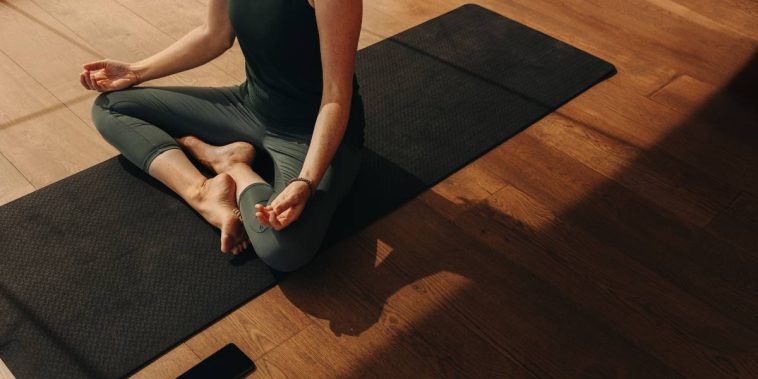
Yoga routines under 20 minutes have become one of the most practical ways I stay connected to my practice without letting time become an excuse. Short sessions remove the mental weight of planning and make it easier to step onto the mat consistently. Even with limited time, the body and mind can still experience meaningful benefits when movement, breath, and focus come together. These routines prove that yoga does not need to be long to be effective.
Why Short Yoga Routines Work So Well
Short yoga routines fit naturally into busy days without requiring major schedule changes. I noticed that committing to a brief practice feels far more achievable than setting aside an hour. This sense of ease reduces resistance and increases consistency. Over time, regular short sessions build momentum that longer, less frequent practices often lack.
Short routines also sharpen focus. Knowing time is limited encourages staying present instead of drifting mentally. Each pose and breath carries intention. This level of attention often makes short practices feel surprisingly complete.
The Importance of Clear Focus
A short yoga routine benefits from having a clear direction. Before starting, I decide whether the session will energize, relax, or simply loosen tight areas. This decision shapes every movement. Without focus, short sessions can feel scattered or rushed.
Clear focus helps eliminate unnecessary transitions. The practice becomes streamlined and purposeful. This efficiency allows the body to warm up, move, and settle within a limited timeframe. Intention transforms a short routine into a satisfying experience.
Preparing the Body Quickly and Safely
Preparation matters even in brief routines. I begin with gentle movements that wake up the spine and joints. These opening moments prevent stiffness and reduce injury risk. Skipping preparation often leads to discomfort later.
Simple motions like slow spinal flexion and controlled joint circless help the body transition into movement. The goal is readiness rather than intensity. Proper preparation ensures the rest of the routine flows smoothly.
Morning Yoga Routines Under 20 Minutes
Morning routines under 20 minutes set a steady tone for the day. I focus on movements that activate muscles and encourage deep breathing. These sessions help shake off stiffness and build energy without feeling draining. The body feels awake rather than rushed.
Short morning yoga also supports mental clarity. Starting the day with focused movement creates a sense of grounding. This calm focus often carries into daily tasks. Even a brief routine can shape the mood of the entire day.
Midday Yoga for Resetting the Body
Midday yoga routines offer a chance to reset posture and energy. I often include movements that release the neck, shoulders, and hips. These areas tend to tighten during long periods of sitting. Short sessions restore circulation and comfort.
Midday routines also improve concentration. Stepping away from screens for a few minutes shifts perspective. Returning to work feels easier and more focused. A brief pause through yoga refreshes both body and mind.
Evening Yoga Routines for Relaxation
Evening routines under 20 minutes focus on slowing down. I choose gentle stretches and longer holds to encourage relaxation. These movements signal the nervous system to unwind. Short evening practices support better rest without overstimulation.
Ending the day with yoga creates a boundary between activity and rest. The body releases accumulated tension. The mind feels calmer and less reactive. This transition supports deeper relaxation later in the evening.
Full Body Flow in Limited Time
A full body flow can fit comfortably into a 20-minute window. I select poses that engage multiple muscle groups at once. This approach maximizes efficiency without sacrificing balance. The body feels evenly worked rather than fragmented.
Transitions stay smooth and deliberate. Moving continuously maintains warmth and focus. Ending with a brief rest allows integration. Even within limited time, a full body flow feels complete and satisfying.
Strength-Building Yoga Routines Under 20 Minutes
Strength-focused routines benefit from steady pacing and mindful alignment. I include poses that challenge the legs, core, and upper body. Holding poses for a few breaths builds strength efficiently. Short routines can still feel powerful.
Strength sessions under 20 minutes avoid unnecessary repetition. Each pose serves a purpose. This focus reduces fatigue while maintaining effectiveness. Strength grows through consistency rather than duration.
Gentle Yoga for Tight or Low-Energy Days
Low-energy days still benefit from movement. Gentle routines under 20 minutes prioritize comfort and ease. I choose slow transitions and supported poses. These sessions restore mobility without draining energy.
Gentle yoga supports recovery and emotional balance. Even minimal movement improves circulation and awareness. Short gentle routines maintain consistency without pressure. They remind me that practice does not always need intensity.
Breath-Focused Short Routines
Breath plays a central role in short yoga routines. I synchronize movement with inhalation and exhalation. This coordination enhances focus and calm. Breath awareness amplifies the benefits of each pose.
Short routines become meditative when breath leads movement. This connection quiets mental noise quickly. Breath-focused practice creates a sense of spaciousness despite limited time. The effect often lingers long after the session ends.
Flexibility Routines in Under 20 Minutes
Flexibility-focused routines benefit from slow, mindful stretching. I avoid forcing depth and instead focus on steady breath. Short sessions allow muscles to release gradually. Over time, flexibility improves through consistency.
Targeting specific areas works well in short routines. Hips, hamstrings, or shoulders can each receive focused attention. This specificity prevents rushing. The body responds positively to gentle repetition.
Stress-Relief Yoga in a Short Window
Stress-relief routines emphasize calming the nervous system. I include slow movements and extended exhalations. Even ten to fifteen minutes can shift stress levels noticeably. Short routines make stress management accessible.
These sessions encourage inward attention. The mat becomes a refuge rather than a task. Stress-relief yoga under 20 minutes supports emotional balance throughout the day. Consistent practice strengthens resilience.
Sequencing for Efficiency
Efficient sequencing makes short routines feel complete. I arrange poses so that each movement prepares the body for the next. This flow reduces wasted time and awkward transitions. Thoughtful sequencing maximizes benefit.
Starting with simple movements and building gradually creates coherence. Ending with stillness reinforces integration. Even brief routines feel intentional when sequenced carefully. Efficiency enhances satisfaction.
Adapting Routines to Energy Levels
Energy levels fluctuate daily. Short routines adapt easily to these changes. On high-energy days, I include dynamic movements. On low-energy days, I slow the pace and simplify poses.
This adaptability prevents burnout. Practice feels supportive rather than demanding. Short routines offer flexibility without sacrificing consistency. Listening to energy levels enhances safety and enjoyment.
Building Consistency With Short Sessions
Consistency becomes easier when routines are brief. I find it simpler to practice regularly when time commitment feels manageable. Short sessions remove excuses and hesitation. The habit becomes stable.
Regular short routines produce cumulative benefits. Mobility, strength, and awareness improve gradually. This steady progress feels sustainable. Consistency matters more than length.
Overcoming the Belief That Longer Is Better
Longer sessions often seem more impressive, but they are not always practical. Short routines challenge the idea that yoga must be lengthy to be effective. I experienced meaningful changes through brief, focused practice. Quality of attention outweighs duration.
This shift in perspective reduces pressure. Yoga becomes accessible and flexible. Short routines fit real life rather than competing with it. This accessibility supports long-term commitment.
Using Short Routines as Building Blocks
Short routines can stand alone or support longer practices. I use them as building blocks during busy periods. They maintain momentum until more time becomes available. This continuity prevents lapses.
Short routines also complement other activities. They fit easily alongside strength training or walking. Yoga integrates smoothly into an active lifestyle. These routines offer versatility without complexity.
Making Short Yoga Feel Complete
Completeness matters regardless of time. I ensure each routine includes preparation, movement, and closure. A brief rest at the end helps integrate the practice. This structure prevents the session from feeling rushed.
Ending intentionally reinforces mindfulness. The body absorbs the benefits more fully. Even five minutes of stillness can change how the session feels. Completeness enhances satisfaction.
Staying Motivated With Limited Time
Motivation stays steady when practice feels achievable. Short routines reduce mental resistance. Showing up becomes automatic rather than negotiable. This reliability builds confidence.
Celebrating consistency reinforces motivation. Each session counts, no matter how short. This mindset keeps yoga enjoyable. Practice becomes a supportive habit rather than an obligation.
Integrating Short Yoga Into Daily Life
Short yoga routines integrate naturally into daily schedules. I practice before work, during breaks, or in the evening. This flexibility keeps yoga present in everyday life. The mat becomes familiar rather than formal.
Integration extends benefits beyond practice. Posture, breath, and awareness carry into daily activities. Short routines influence how I move and respond throughout the day. Yoga becomes a lifestyle rather than an event.
Final Thoughts
Yoga routines you can do in under 20 minutes offer a realistic and effective way to stay consistent. I learned that short practices deliver meaningful physical and mental benefits when approached with focus and intention. These routines fit seamlessly into busy lives without sacrificing depth. With regular practice, short yoga sessions support strength, flexibility, and calm in a sustainable way.

GIPHY App Key not set. Please check settings