

 Chloe Davis
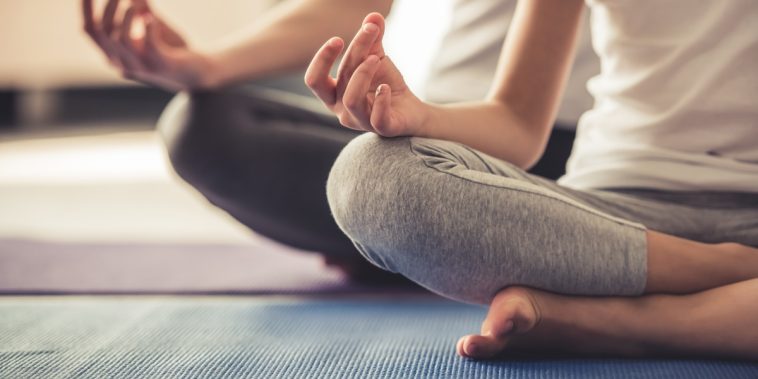
A yoga routine only becomes meaningful when it reflects real life rather than an ideal version of it. Schedules change, energy levels fluctuate, and the body responds differently from day to day. I discovered that a personalized yoga routine grows out of honest self-observation instead of strict rules. The goal is not perfection but consistency that feels supportive rather than demanding.
Starting With Honest Self-Assessment
Any personalized yoga routine begins with paying attention to the body and mind as they are right now. I take time to notice how my body feels in the morning compared to the evening, how stress shows up physically, and which areas feel strong or restricted. This kind of awareness prevents building a routine based on comparison or unrealistic expectations. It creates a foundation rooted in reality rather than ambition alone.
Mental and emotional states matter just as much as physical ones. Some days call for grounding and stillness, while others benefit from movement and heat. A routine that ignores mental energy quickly becomes unsustainable. Checking in with both body and mind helps shape a practice that adapts instead of resists.
Defining the Purpose of Your Practice
A yoga routine works best when it has a clear purpose, even if that purpose evolves over time. I reflect on what I want yoga to support in my life, whether that is stress relief, physical strength, flexibility, or emotional balance. This purpose guides decisions about pace, intensity, and duration. Without it, practice can feel scattered or directionless.
Purpose does not have to be narrow or rigid. Some days the goal is simply to move and breathe, while other days it might be building strength or restoring calm. Allowing the purpose to shift keeps the routine relevant. This flexibility prevents burnout and keeps yoga feeling supportive rather than obligatory.
Choosing a Realistic Time Commitment
Time is one of the biggest obstacles to consistency, so honesty matters here. I learned that committing to shorter sessions done regularly works better than planning long practices that rarely happen. A personalized yoga routine fits into daily life instead of competing with it. Even twenty minutes can be effective when practiced with focus.
Consistency builds familiarity and confidence. Shorter practices reduce mental resistance and make it easier to show up. Over time, sessions may naturally lengthen as the routine becomes a habit. Starting small respects the reality of busy schedules and changing energy levels.
Selecting Styles That Match Your Needs
Yoga offers many styles, each with a different emphasis and pace. I explored various approaches to see how my body and mind responded to each one. Some styles felt energizing and strong, while others offered rest and introspection. A personalized yoga routine often blends elements from different styles rather than sticking rigidly to one.
The key is noticing how each style affects energy and mood after practice. If a session leaves the body exhausted or the mind scattered, it may not be the right fit for that moment. Matching style to need keeps the routine supportive. This experimentation phase is an important part of personalization.
Building a Balanced Structure
A well-rounded yoga routine includes several components that support the body holistically. I aim to include gentle warm-up movements, poses that build strength, stretches that improve mobility, and moments of stillness. This balance prevents overuse of certain muscles while neglecting others. It also supports both physical and mental well-being.
Structure does not mean rigidity. Some days emphasize strength, while others lean into restoration. The key is maintaining overall balance across the week rather than in every single session. This approach keeps the routine adaptable while still providing direction.
Creating a Sequence That Feels Natural
Sequencing influences how the body experiences a yoga routine. I arrange poses in a way that gradually prepares the body rather than jumping into intensity. Starting with simple movements helps build awareness and reduce the risk of strain. Transitions become smoother when the sequence respects the body’s natural range of motion.
Ending the practice with rest or gentle stretches allows the nervous system to settle. This closing phase often becomes the most rewarding part of the routine. A thoughtful sequence creates a sense of completion rather than abruptness. Over time, familiar sequences become comforting and grounding.
Adapting the Routine to Energy Levels
Energy fluctuates daily, and a personalized yoga routine accounts for that reality. I avoid forcing high-intensity practices on low-energy days. Instead, I adjust pace, pose selection, and duration to match how I feel. This adaptability keeps yoga from becoming another source of pressure.
Low-energy days often benefit from slower movements and longer holds. High-energy days invite strength-building and flow. Listening to energy levels prevents injury and supports long-term consistency. This flexibility is one of the most important elements of a sustainable routine.
Incorporating Breath and Mindfulness
Breath connects movement to awareness and anchors the practice in the present moment. I integrate conscious breathing into my routine rather than treating it as a separate element. This focus helps regulate effort and maintain calm during challenging poses. Breath awareness also supports mental clarity beyond the mat.
Mindfulness develops naturally when attention stays on sensation and breath. This presence turns routine movement into meaningful practice. Over time, mindfulness becomes a habit that extends into daily activities. Including breath and awareness transforms yoga from exercise into a holistic experience.
Using Props and Modifications Wisely
Props make yoga more accessible and personalized. I use blocks, straps, and blankets to support alignment and reduce strain. Modifications allow poses to meet the body where it is rather than forcing the body into shapes. This approach builds confidence and safety.
Props also encourage exploration. They open new possibilities within familiar poses and deepen understanding of alignment. Using support is not a shortcut but a tool for growth. A personalized yoga routine embraces these tools without hesitation.
Tracking Progress Without Obsession
Progress in yoga is subtle and often non-linear. I track changes in how my body feels rather than focusing solely on visible improvements. Increased comfort, reduced tension, and improved mood all signal progress. This perspective prevents frustration and comparison.
Journaling or brief reflection after practice can highlight patterns over time. These notes reveal what works and what needs adjustment. Tracking becomes a way to refine the routine rather than judge performance. This approach keeps progress motivating rather than stressful.
Adjusting the Routine Over Time
A personalized yoga routine is not static. Life changes, and so do needs and goals. I revisit my routine regularly to see if it still feels supportive. Making small adjustments keeps the practice aligned with current circumstances.
Changes may involve shifting focus, altering frequency, or introducing new poses. Flexibility ensures the routine grows alongside the practitioner. This adaptability keeps yoga relevant and engaging. It also reinforces the idea that personalization is an ongoing process.
Balancing Home Practice and Guidance
Home practice offers freedom and convenience, while guidance provides structure and insight. I balance both by practicing independently and seeking instruction when needed. Classes or guided sessions introduce new ideas and prevent stagnation. Home practice allows integration at a comfortable pace.
This balance supports growth without dependency. Guidance refines technique, while personal practice builds confidence. Combining both strengthens the routine and deepens understanding. It also keeps motivation high through variety.
Managing Motivation and Discipline
Motivation naturally rises and falls, even with a personalized yoga routine. I rely on discipline during low-motivation periods rather than waiting for inspiration. Gentle commitment ensures practice continues even on uninspired days. Showing up matters more than intensity.
At the same time, rest is respected when needed. Discipline does not mean forcing practice through exhaustion. Balancing commitment with compassion maintains long-term sustainability. This mindset keeps yoga supportive rather than punitive.
Integrating Yoga Into Daily Life
Yoga extends beyond the mat when awareness carries into daily activities. I notice posture while sitting, breath during stressful moments, and movement patterns throughout the day. This integration reinforces the benefits of practice. Yoga becomes a lifestyle rather than a scheduled activity.
Small moments of stretching or breathing reinforce consistency. These habits support physical comfort and mental clarity. Integrating yoga into daily life makes the routine feel natural. It also reduces the pressure of formal practice sessions.
Final Thoughts
Creating a personalized yoga routine that works is an evolving process shaped by honesty, flexibility, and self-awareness. I learned that the most effective routine respects real life rather than fighting it. By aligning practice with energy levels, goals, and daily rhythms, yoga becomes sustainable and meaningful. A personalized yoga routine grows alongside the practitioner, offering support through change rather than demanding perfection.



GIPHY App Key not set. Please check settings