


 Chloe Davis
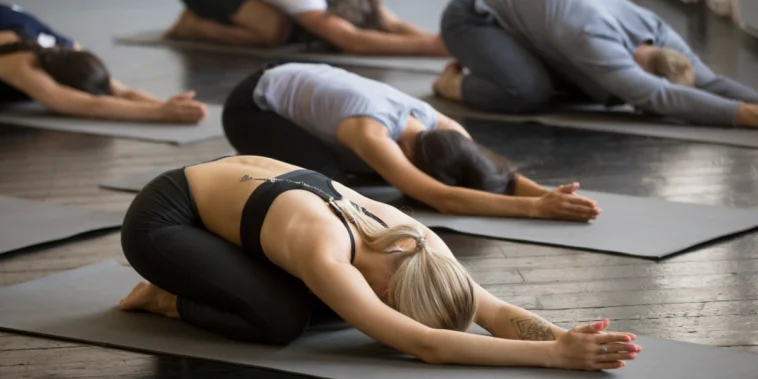
Results in yoga look different depending on what the body and mind need, yet the question of frequency always comes up. I notice that many people assume progress only happens with daily, intense practice, but yoga rarely works that way. Real results come from consistency that respects energy levels, lifestyle, and recovery. The right rhythm feels supportive rather than demanding, and that balance makes all the difference.
Yoga is not a race toward flexibility or strength, and it does not reward extremes. The body responds best to steady, repeated movement paired with rest and awareness. Over time, subtle changes begin to show up in posture, breathing, and emotional resilience. Frequency becomes meaningful when it aligns with long-term sustainability rather than short bursts of effort.
Defining What Real Results Actually Mean
Before deciding how often to practice, it helps to clarify what results truly mean. For some, results show up as reduced stress and better sleep. For others, they appear as improved mobility, strength, or focus. I pay attention to how yoga affects daily life rather than only what happens on the mat.
Real results are often quiet and gradual. A calmer response to stress or less tension in the shoulders can signal meaningful progress. These changes may not be dramatic, but they are lasting. Yoga works beneath the surface as much as it does physically.
The Role of Consistency Over Intensity
Consistency matters far more than intensity in yoga practice. Practicing a few times a week over months often leads to deeper benefits than short periods of daily intensity followed by long breaks. I find that the body responds better when it knows movement will return regularly. This reliability builds trust within the practice.
Intensity can feel motivating at first, but it is difficult to sustain. Overdoing it often leads to fatigue or frustration. Consistent practice allows gradual adaptation and recovery. That steady rhythm supports progress without burnout.
Practicing Yoga a Few Times a Week
For many people, practicing yoga two to three times a week creates noticeable results. This frequency allows enough repetition to build strength and flexibility while leaving space for rest. I notice improvements in mobility and mood when practice fits comfortably into the week. The body feels supported rather than overwhelmed.
This schedule works well for busy lifestyles. It allows yoga to remain enjoyable rather than becoming another obligation. Progress still happens because the practice is repeated often enough. Over time, those sessions add up.
Benefits of Practicing Yoga Four to Five Times Weekly
Practicing yoga four to five times a week deepens results for those with the time and energy. This frequency allows exploration of different styles and intensities. Some days focus on strength, while others emphasize relaxation. Variety prevents stagnation.
With this schedule, awareness grows quickly. The body becomes more familiar with poses and transitions. Breath awareness deepens, and mental focus improves. Results feel more integrated into daily life rather than limited to practice time.
Daily Yoga and Its Realistic Impact
Daily yoga sounds appealing, but it requires thoughtful balance. Practicing every day does not mean doing the same intensity each session. Gentle days matter just as much as active ones. I view daily practice as a mix of movement, breath, and stillness.
When done mindfully, daily yoga can support steady progress. The key is listening to the body and adjusting accordingly. Short sessions count just as much as longer ones. Daily practice works best when flexibility and self-awareness guide it.
The Importance of Rest Days
Rest days play a crucial role in real results. The body integrates strength and flexibility gains during rest. Skipping rest often leads to tension or injury. I notice that taking breaks actually improves performance over time.
Rest does not always mean complete stillness. Gentle stretching or breathwork can support recovery. Allowing the body time to reset keeps practice sustainable. Rest becomes part of progress rather than an interruption.
Matching Frequency to Your Goals
Goals influence how often yoga fits into life. A focus on stress relief may require fewer sessions than building strength or flexibility. I adjust frequency depending on what feels most relevant at the time. Yoga adapts well to changing priorities.
Physical goals often benefit from regular repetition. Mental and emotional goals may require less frequent but more mindful practice. Aligning frequency with intention keeps the practice meaningful. Results follow clarity rather than force.
Listening to the Body’s Signals
The body offers constant feedback about frequency. Fatigue, soreness, or resistance can signal the need for rest. Energy, curiosity, and ease often indicate readiness for more practice. I treat these signals as guidance rather than obstacles.
Ignoring signals tends to slow progress. Respecting them builds a healthier relationship with yoga. The body responds positively when it feels heard. Real results emerge from cooperation rather than control.
Short Sessions Versus Long Sessions
Session length influences how often practice fits into life. Short sessions practiced more frequently can be just as effective as longer ones. I find that even twenty minutes of focused practice can create noticeable benefits. Consistency matters more than duration.
Longer sessions allow deeper exploration but require more recovery. Shorter sessions support regular movement without strain. Mixing both creates balance. This flexibility keeps practice accessible and effective.
Yoga Frequency for Beginners
Beginners often wonder how often to start practicing. Two to three sessions per week usually provide a solid foundation. This allows time to learn poses without overwhelming the body. I notice that beginners progress faster when practice feels approachable.
Starting slowly builds confidence. The body adapts to new movements more easily with rest between sessions. Over time, frequency can increase naturally. Patience supports long-term success.
Yoga Frequency for Intermediate Practitioners
Intermediate practitioners often benefit from increased frequency. Practicing three to five times per week allows refinement of technique and breath. I notice greater body awareness and control at this stage. Progress feels more nuanced.
Variety becomes important here. Mixing active and restorative practices prevents overuse. Listening closely to the body maintains balance. Results deepen through thoughtful repetition.
Yoga Frequency for Advanced Practitioners
Advanced practitioners often practice frequently, but not always intensely. Experience brings awareness of limits and recovery needs. I observe that advanced practice emphasizes quality over quantity. Frequency supports exploration rather than achievement.
Advanced practitioners often include meditation and breathwork alongside movement. This broadens the definition of practice. Daily engagement does not always mean physical exertion. Results show up as balance and presence.
Balancing Yoga With Other Activities
Yoga often complements other forms of movement. Strength training, walking, or sports influence how often yoga fits into the week. I adjust frequency based on overall activity levels. Balance prevents overloading the body.
Yoga can support recovery from other exercises. Gentle sessions improve mobility and reduce soreness. Active sessions build strength that enhances performance elsewhere. Frequency adapts to the whole picture of movement.
Mental and Emotional Results Over Time
Mental and emotional results often appear before physical ones. Regular practice improves mood and stress response. I notice increased patience and clarity with consistent yoga. These changes feel subtle yet powerful.
Frequency supports emotional regulation. Practicing regularly creates a reliable outlet for release. Results deepen with time rather than intensity. Yoga becomes a steady anchor.
The Role of Lifestyle and Schedule
Lifestyle strongly influences ideal frequency. Work, family, and energy levels all matter. I choose a schedule that fits reality rather than forcing an ideal. Yoga thrives when it supports life instead of competing with it.
Flexible scheduling prevents guilt and inconsistency. Some weeks allow more practice than others. Adjusting frequency keeps the practice sustainable. Results come from long-term commitment rather than rigid plans.
How Long Results Actually Take to Appear
Results in yoga take time, regardless of frequency. Flexibility and strength may appear within weeks, while deeper changes take months. I focus on how the body feels rather than rushing outcomes. Patience becomes part of the practice.
Consistency shortens the gap between effort and results. Even small, regular sessions create momentum. Trusting the process reduces frustration. Yoga rewards persistence more than urgency.
Adjusting Frequency During Different Life Phases
Life changes influence how often yoga fits in. Stressful periods may require gentler, less frequent practice. Energetic phases may support more movement. I adjust without judgment.
Flexibility in frequency keeps yoga relevant. The practice evolves alongside life rather than remaining fixed. Results continue because the relationship with yoga stays alive. Adaptation supports longevity.
Signs That Frequency Needs Adjustment
Certain signs suggest frequency may need change. Persistent soreness or lack of motivation can signal overpractice. Restlessness or stiffness may suggest too little movement. I treat these signs as information.
Adjusting frequency prevents stagnation. Increasing or decreasing practice restores balance. Awareness allows timely changes. Results improve when frequency aligns with current needs.
Creating a Sustainable Yoga Rhythm
A sustainable rhythm feels natural rather than forced. I aim for a frequency that feels supportive and realistic. This rhythm allows growth without pressure. Sustainability matters more than perfection.
Routine builds familiarity and ease. Over time, practice becomes part of daily life. Results follow consistency rooted in balance. Yoga becomes a lifelong companion.
Final Thoughts
How often you should practice yoga for real results depends on balance, intention, and awareness. Consistency supported by rest creates deeper benefits than rigid schedules. Real results appear through patience, adaptability, and listening to the body. When frequency aligns with life and energy, yoga delivers lasting change that extends far beyond the mat.



GIPHY App Key not set. Please check settings