


 Chloe Davis
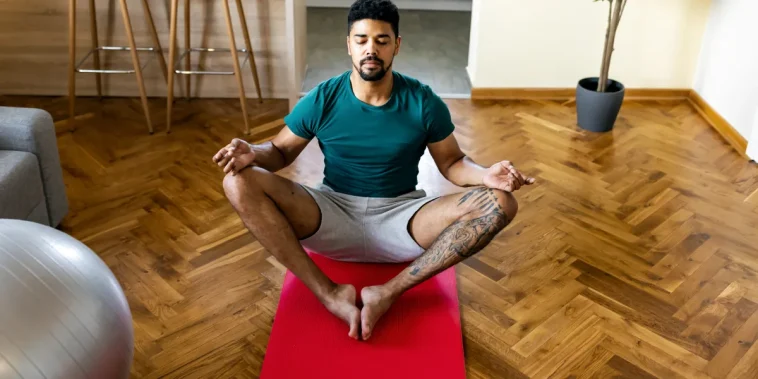
Busy days have a way of swallowing good intentions, especially when schedules feel packed from morning to night. I have learned that consistency in yoga does not come from having endless free time but from making small, realistic commitments that fit into real life. A regular practice grows through intention, flexibility, and self-awareness rather than strict routines. Yoga becomes sustainable when it supports daily life instead of competing with it.
A consistent yoga practice is not about perfect streaks or long sessions completed without interruption. What matters more is showing up in a way that feels doable, even on days when energy is low or time feels limited. I focus on progress built through repetition rather than intensity. That shift in mindset changed how yoga fits into my routine.
Redefining What Consistency Really Means
Consistency often gets confused with doing the same long practice every single day. I realized that this definition creates pressure and makes it easier to quit altogether. True consistency looks more like returning to the mat regularly, even if the practice changes in length or style. Some days allow for movement, while others only offer a few mindful breaths.
By loosening the rules, yoga becomes more accessible. I stopped measuring success by duration and started measuring it by presence. A short session done with attention can be just as meaningful as a longer one. This approach removes guilt and replaces it with steadiness.
Setting Intentions That Match Real Life
Intentions shape how a yoga practice unfolds over time. I set intentions that align with my current lifestyle instead of an ideal version of it. This might mean practicing three times a week instead of daily or focusing on gentle movement during stressful periods. Honest intentions create momentum rather than resistance.
When intentions feel realistic, it becomes easier to follow through. I revisit them regularly and adjust when life changes. Flexibility allows the practice to evolve without feeling like a failure. Yoga works best when it adapts alongside daily responsibilities.
Starting Small Without Feeling Behind
Small beginnings remove the pressure to perform. I committed to brief practices that felt manageable, even on the busiest days. Five or ten minutes of movement can still create a sense of grounding and connection. Those short sessions often lead to longer ones naturally.
Starting small builds confidence and reduces procrastination. I noticed that showing up for a short practice made consistency feel achievable rather than overwhelming. Over time, those small moments accumulated into a stable routine. Growth happened quietly without forcing it.
Creating a Simple Routine You Can Repeat
Simplicity plays a huge role in maintaining consistency. I rely on a basic structure that I can return to without much planning. Familiar poses and sequences reduce decision fatigue and make it easier to begin. Repetition creates comfort and flow.
Having a simple routine does not limit creativity. It provides a foundation that supports exploration when time allows. On busy days, familiarity saves energy and keeps the practice accessible. Consistency thrives when the entry point feels easy.
Making Yoga Fit Into Busy Schedules
Time constraints are one of the biggest challenges to consistency. I stopped waiting for long open windows and started fitting yoga into existing parts of my day. Early mornings, short breaks, or evenings before bed all became opportunities. Yoga no longer required a perfect schedule.
This approach helped remove the excuse of being too busy. Even brief pauses can support movement and breath. Integrating yoga into daily rhythms makes it feel like a natural part of life. Consistency grows through integration rather than isolation.
Letting Go of All-or-Nothing Thinking
All-or-nothing thinking creates unnecessary barriers. I used to believe that missing a day meant losing momentum. That mindset only added stress and made returning harder. Yoga became more sustainable once I allowed imperfect patterns.
Missing a session does not erase progress. I learned to view each practice as independent rather than part of a rigid streak. Returning with kindness maintains motivation. Consistency becomes resilient when it includes flexibility.
Using Short Practices as Anchors
Short practices act as anchors during hectic days. I rely on brief sequences that focus on breath, gentle movement, or relaxation. These sessions provide grounding without requiring much time or energy. They remind me why yoga matters.
Anchors create a sense of continuity even when schedules change. I keep a few go-to practices ready for days when motivation is low. Knowing that something simple is available makes consistency more realistic. These anchors keep the habit alive.
Practicing at Home Without Pressure
Home practice removes many obstacles to consistency. I appreciate the freedom to move at my own pace without comparison. The familiar environment makes it easier to start without preparation. Comfort supports regularity.
Practicing at home also encourages listening inward. I adjust movements based on how my body feels rather than following a set expectation. This self-guided approach builds trust and awareness. Yoga becomes a personal ritual rather than a task.
Working With Energy Levels Instead of Against Them
Energy levels fluctuate from day to day. I stopped forcing myself into intense practices when my body asked for rest. Gentle sessions and restorative poses became valuable tools. Listening to energy prevents burnout.
Adapting the practice to energy levels supports long-term consistency. Some days call for strength, while others need stillness. Respecting those needs builds a healthier relationship with yoga. The practice becomes supportive rather than draining.
Removing the Need for Motivation
Motivation comes and goes, especially on busy days. I learned that relying on motivation alone makes consistency fragile. Instead, I focused on routine and habit. Starting even when motivation is low often leads to unexpected enjoyment.
Habits create stability when motivation fades. I show up without negotiating with myself too much. The act of beginning often generates momentum. Consistency becomes easier when it relies on structure rather than mood.
Creating Visual and Environmental Cues
Visual cues help remind me to practice. Leaving a mat visible or setting aside a small space encourages spontaneous sessions. These cues act as gentle invitations rather than demands. Environment influences behavior more than willpower.
A supportive space does not need to be elaborate. Clean, calm, and accessible works just fine. I notice that a welcoming environment reduces resistance. Consistency grows when the practice feels inviting.
Staying Connected to Your Reason for Practicing
A clear reason for practicing strengthens commitment. I regularly reflect on how yoga supports my physical and mental well-being. Remembering these benefits reinforces consistency during busy periods. Purpose fuels persistence.
The reason does not need to be grand. Stress relief, flexibility, or quiet time all count. Staying connected to personal motivation keeps the practice meaningful. Consistency follows when yoga feels relevant.
Allowing Practices to Change Over Time
Change is part of growth. I allow my yoga practice to shift as life circumstances evolve. What worked during one season may not fit another. Adaptation prevents stagnation.
Letting go of rigid expectations creates room for renewal. I explore new styles or simplify when needed. This openness keeps the practice fresh and engaging. Consistency thrives through evolution.
Tracking Progress Without Obsession
Tracking can support consistency when done gently. I notice how my body feels over time rather than focusing on external goals. Increased ease, strength, or calm are signs of progress. Awareness replaces pressure.
Avoiding obsession is key. I treat progress as information, not judgment. This balanced approach maintains motivation without stress. Consistency benefits from curiosity rather than comparison.
Building Compassion Into the Practice
Self-compassion plays a central role in consistency. I treat missed days with kindness rather than criticism. Compassion encourages return instead of avoidance. Yoga becomes a safe space rather than a test.
This mindset supports emotional resilience. I show up as I am rather than as I think I should be. Compassion keeps the practice sustainable. Consistency grows through acceptance.
Finding Support Without Pressure
Support can enhance consistency when it feels encouraging rather than demanding. I connect with friends, online classes, or communities for inspiration. Shared experiences provide motivation without comparison. Support reminds me that yoga is a shared journey.
The key is choosing support that aligns with personal goals. Gentle accountability works better than strict rules. Encouragement builds confidence. Consistency strengthens through connection.
Final Thoughts
Building a consistent yoga practice on busy days is less about discipline and more about alignment with real life. Small, flexible routines supported by compassion and intention create lasting habits. Yoga becomes sustainable when it adapts to changing schedules and energy levels. With patience and presence, consistency naturally unfolds and becomes part of everyday living.


GIPHY App Key not set. Please check settings